

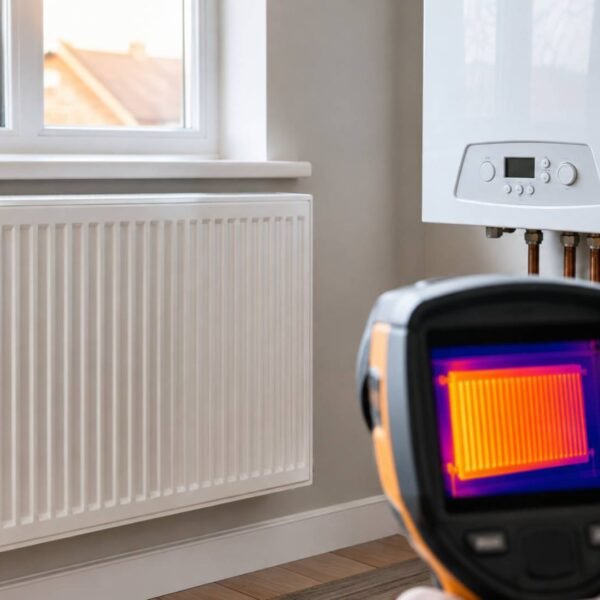
A new home can appear beautifully finished while hiding heating defects that affect comfort and efficiency. Careful snagging reveals poorly sized radiators, uneven heat distribution, faulty controls, weak mounting, and careless pipework. Checking these details before handover gives the developer time to correct problems before they become costly household concerns later.
Fresh paint, new flooring, and spotless rooms can make heating checks seem less urgent during a property inspection. However, minor installation errors may cause cold rooms, higher energy use, irritating noises, or future leaks. Effective new-build snagging should examine radiator size, placement, mounting, valves, controls, and heat distribution. Choosing quality products such as Stelrad Radiators is important, but correct specification and installation matter just as much. Testing the system before handover helps uncover defects while the developer remains responsible for corrective work. Record every concern clearly, photograph visible faults, and request written confirmation of how and when each problem will be resolved.
Why Heating Snags Are Easy to Miss
Heating defects are often less obvious than chipped paint or damaged flooring. A system may switch on during the handover demonstration without heating every room properly. Some problems only become noticeable after the radiators have operated for an extended period.
Run the heating long enough to assess the entire property. Visit each room, test the controls, and compare how quickly the radiators warm. Note cold areas, unusual sounds, loose fittings, or inconsistent temperatures.
Heating Problems to Check Before Handover
1. Radiators That Are Incorrectly Sized
A radiator must provide enough heat for the room it serves. Its required output depends on room dimensions, insulation, window area, external walls, and expected heat loss.
An undersized radiator may become hot but still fail to warm the room. An unnecessarily large model may occupy valuable wall space and make temperature control more difficult. Ask the developer for the radiator schedule or room-by-room heat-loss calculations if the sizing appears questionable.
2. Poor Radiator Positioning
Radiators require clear space for warm air to circulate. Installation behind a door, beside fitted cabinets, or in an area intended for large furniture can reduce effective heat distribution.
Consider how the room will function once furnished. Curtains, sofas, beds, and storage units should not cover the radiator or prevent easy access to its valves. Where wall space is limited, a correctly sized vertical radiator may provide a more practical solution.
3. Weak or Uneven Mounting
Every radiator should be level, stable, and securely attached to suitable brackets. A crooked or loose radiator is more than a cosmetic defect because movement can strain valves and pipe connections.
Look for:
- Movement when the radiator is touched gently
- Uneven gaps between the unit and wall
- Missing bracket covers
- Damaged paint or dented panels
- Cracked plaster around fixing points
Do not adjust the mounting yourself. Photograph the defect and include it in the formal snagging report.
4. Incorrect Models or Finishes
Check that each installed radiator matches the agreed property specification. Confirm its size, model, panel arrangement, color, and finish. Bathrooms, bedrooms, hallways, and open-plan living spaces may have different heating requirements.
The range of Stelrad Radiators includes standard panel, column, vertical, designer, electric, and towel models. This variety makes accurate product selection essential. A well-made radiator can still perform poorly if its output, design, or placement does not suit the room.
5. Faulty or Inaccessible Valves
Thermostatic radiator valves allow individual room temperature control. Turn each adjustable valve gently and confirm that it moves smoothly through its settings.
A valve should not be loose, stuck, leaking, or pressed against a wall. It must also remain accessible after furniture is installed. If a valve does not respond, record it as a snag instead of forcing or dismantling it.
6. Uneven Heating Across the Property
Turn on the complete heating system and compare every radiator. A cold upper section may indicate trapped air, while a cold bottom can suggest restricted circulation. One completely cold unit may have a closed valve or flow problem.
Several radiators warming at noticeably different speeds may point to poor system balancing. Increasing the thermostat will not correct uneven water distribution. The developer’s heating contractor should inspect and balance the system properly.
7. Leaks, Noise, and Untidy Pipework
Examine the floor, wall, valves, and pipe connections around each radiator. Moisture, staining, corrosion, or damaged flooring can signal a leak. Even a small drip deserves immediate attention.
Some light ticking can occur as metal heats and cools, but repeated banging, loud gurgling, or persistent knocking should be investigated. Visible pipework should be neat, supported, and free from unnecessary strain.
How to Report Heating Defects Clearly
A useful snagging report should explain exactly where and when the fault appears. Include the room, radiator location, thermostat setting, approximate heating time, and observed problem.
Take a wide photograph showing the radiator’s position and a close image of the defect. Avoid vague descriptions such as “heating not good.” Explain whether the radiator remains cold, heats unevenly, moves on its brackets, leaks, or fails to respond to its valve.
Frequently Asked Questions
1. Can a Hot Radiator Still Be the Wrong Size?
Yes. A radiator can feel hot while producing insufficient heat for the room. Correct sizing depends on calculated heat loss, not surface temperature alone.
2. Should Every Radiator Warm at the Same Speed?
Small differences are normal, but major variations may indicate poor balancing, trapped air, incorrect valve settings, or restricted circulation.
3. Is a Crooked Radiator Only a Cosmetic Snag?
No. Uneven installation can place pressure on brackets, valves, and pipe connections. The developer should inspect and correct it.
4. Can New-Build Heating Be Tested During Summer?
Yes. Run the system briefly to check radiator response, controls, leaks, and unusual noises. More detailed comfort testing may be easier during cooler weather.
5. Who Should Repair Heating Snags?
Report defects directly to the developer through the formal snagging process. Heating repairs should be completed by a suitably qualified professional.
Conclusion
Heating should be inspected as carefully as every visible finish in a new home. Begin by checking that each radiator matches the agreed specification and provides suitable output for its room. Examine placement, mounting, valves, pipework, and surrounding surfaces. Then run the system long enough to identify slow heating, cold sections, leaks, noise, or inconsistent temperatures.
Record each defect with photographs and specific notes. Do not dismantle valves, alter pipework, or attempt structural adjustments during the inspection. These tasks should remain with the developer and qualified heating professionals. Good performance depends on both product quality and installation accuracy. When Stelrad Radiators are appropriately sized, securely mounted, correctly positioned, and connected to a balanced system, they can support dependable warmth throughout the property. Thorough snagging ensures heating faults are corrected early, protecting comfort, efficiency, and confidence in the new home.
Leave a Comment
You must be logged in to post a comment.