

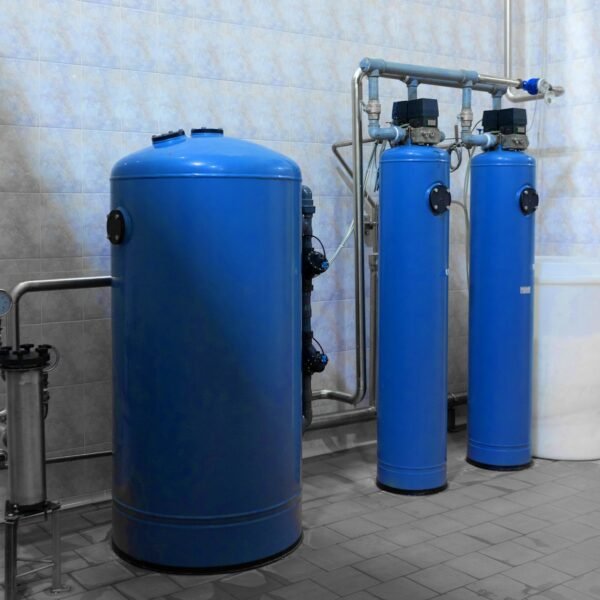
Introduction: The Impact of Hard Water on Your Home
Living in St. Charles, MO, many homeowners face the issue of hard water, which can have a significant impact on your home and daily life. Hard water is water that contains high levels of minerals, such as calcium and magnesium, which can cause problems with plumbing, appliances, and even your skin and hair. The good news is that installing water softeners in St. Charles, MO can help solve these problems and improve the overall water quality in your home.
In this article, we’ll explore what hard water is, how water softeners work, and why installing one in your home can be a game-changer.
What Is Hard Water and How Does It Affect Your Home?
Hard water is common in many areas, including St. Charles, MO. It occurs when water picks up high concentrations of calcium and magnesium as it moves through the ground, especially through limestone and chalk deposits. While these minerals are not harmful to your health, they can cause a variety of issues in your home:
- Mineral Buildup on Faucets and Fixtures: Over time, hard water leaves behind unsightly spots and scale on your faucets, showerheads, and pipes.
- Appliance Damage: Hard water can shorten the lifespan of appliances such as water heaters, dishwashers, and washing machines by causing mineral buildup inside.
- Clogged Pipes: The minerals in hard water can build up inside pipes, reducing water flow and causing clogs.
- Dry Skin and Hair: The minerals in hard water can strip moisture from your skin and hair, leading to dryness and irritation.
Why You Should Consider Installing a Water Softener
Installing a water softener is one of the most effective ways to deal with hard water. Here’s why you should consider it:
- Prevents Mineral Buildup: Water softeners remove calcium and magnesium, preventing the mineral buildup on your fixtures, pipes, and appliances.
- Improves Appliance Efficiency: With softened water, appliances like dishwashers and water heaters run more efficiently, saving you money on energy bills and repairs.
- Better for Your Skin and Hair: Softened water leaves your skin feeling softer and your hair shinier and healthier, as it doesn’t strip away natural oils.
- Extended Lifespan of Plumbing: Soft water reduces the wear and tear on your pipes, preventing costly plumbing repairs.
How Water Softeners Work
Water softeners use a process called ion exchange to remove hard minerals from the water. Here’s a breakdown of how they work:
- Ion Exchange: The water softener contains a resin bed charged with sodium ions. As hard water flows through the resin, the calcium and magnesium ions are exchanged for sodium ions, effectively “softening” the water.
- Regeneration Cycle: After a period of time, the resin bed becomes saturated with minerals and needs to be regenerated. During regeneration, the softener flushes out the minerals and recharges the resin with sodium ions.
- Types of Water Softeners: There are two main types of water softeners:
- Salt-Based Water Softeners: These are the most common and use sodium to soften the water.
- Salt-Free Water Softeners: These use a different process, such as a template-assisted crystallization process, to reduce scale buildup.
Signs You Need a Water Softener in St. Charles, MO
How do you know if you have hard water and need a water softener? Here are some signs to look for:
- Scale Buildup on Faucets: If you notice white, chalky deposits on your faucets and showerheads, it’s a clear sign of hard water.
- Clogged Pipes: Reduced water pressure or frequent clogs may be caused by mineral buildup inside your pipes.
- Dull and Dry Skin: If your skin feels dry or irritated after a shower, hard water might be to blame.
- Spots on Dishes and Glassware: Hard water leaves spots on dishes and glassware, even after washing them.
If you’re experiencing these issues, it’s time to consider a water softener.
Choosing the Right Water Softener for Your Home
When selecting a water softener, there are several factors to consider:
- Size of Your Home: The size of your home and the number of people living there will determine the water softener’s capacity. Larger homes with more water usage will need a larger unit.
- Water Hardness Level: You can test your water hardness using a water test kit or by contacting your local water supplier. The harder your water, the more capacity you’ll need.
- Type of Softener: Decide whether a salt-based or salt-free water softener is best for your home.
If you’re unsure, consult with a local expert to find the best solution for your needs.
Professional Installation and Maintenance Tips
Installing a water softener is a job best left to professionals to ensure it functions properly. Here’s what to expect:
- Professional Installation: An expert will ensure your system is installed correctly and runs efficiently. Proper installation will maximize the lifespan and performance of your water softener.
- Maintenance: Regular maintenance is important to keep your system working properly. This includes checking the salt levels, cleaning the brine tank, and ensuring the system is functioning optimally.
Conclusion: Improve Your Water Quality with a Water Softener
A water softener can significantly improve your water quality, protect your plumbing and appliances, and provide you with healthier skin and hair. If you’re experiencing issues with hard water in St. Charles, MO, it’s time to consider installing a water softener.
Ready to level up your water quality? Water softeners in St. Charles, MO can help you achieve the clean, soft water your home needs.
Leave a Comment
You must be logged in to post a comment.