

Introduction
Landscape architecture shapes how people experience outdoor spaces. It blends planning, design, and practical thinking to create areas that feel welcoming, useful, and lasting. In both residential and commercial projects, good landscape design adds value beyond appearance. It improves daily use, supports wellbeing, and connects buildings with their surroundings. Firms such as Artemis Ltd reflect the growing demand for thoughtful landscape solutions that balance beauty, function, and long-term care.
Understanding Landscape Architecture
Landscape architecture focuses on the planning and design of outdoor areas. This includes gardens, courtyards, public spaces, and shared environments around buildings. The aim is to create spaces that work well for people while respecting the land itself.
Unlike simple gardening, landscape architecture looks at the bigger picture. It considers how people move, how water drains, how plants grow over time, and how spaces feel in different seasons. This approach ensures outdoor areas remain useful and attractive for years, not just at the point of completion.
The Role of Landscape Design in Residential Projects
In homes, outdoor spaces are personal. Gardens, terraces, and driveways are often extensions of indoor living. A well-designed residential landscape supports daily life while adding comfort and privacy.
Landscape architecture in housing focuses on balance. Paths guide movement. Planting softens hard surfaces. Open areas invite relaxation. Over time, these elements grow together and form a natural setting that feels settled and calm.
Homeowners increasingly look for designs that are easy to maintain. Clear layouts, durable materials, and sensible plant choices help reduce long-term effort. This is where professional planning makes a clear difference.
Landscape Architecture in Commercial Developments
Commercial landscapes serve a wider audience. Offices, retail spaces, and mixed-use developments need outdoor areas that are safe, clear, and welcoming. These spaces often shape first impressions.
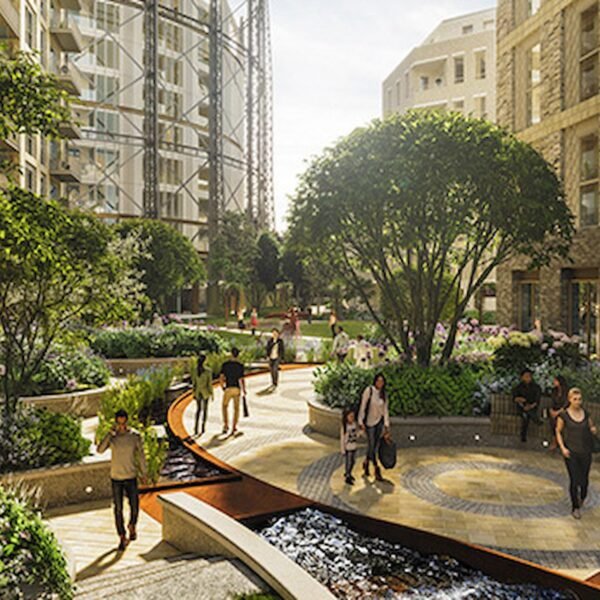
A well-planned commercial landscape supports movement and access. It directs visitors naturally while keeping areas open and easy to understand. Seating, shade, and planting all play a role in making spaces feel comfortable rather than harsh.
Companies also recognise the value of green spaces for staff wellbeing. Access to outdoor areas can improve focus and satisfaction. In this context, landscape architecture becomes part of a wider workplace strategy rather than a decorative afterthought.
Key Principles That Guide Successful Projects
Function Comes First
Every landscape must serve a purpose. Paths should lead somewhere. Open areas should feel intentional. Good design starts by understanding how the space will be used each day.
Connection With the Building
Outdoor spaces should feel linked to the buildings they surround. Materials, lines, and levels need to work together. This connection creates a smooth flow between inside and outside.
Long-Term Thinking
Plants grow and change. Materials weather. Drainage patterns evolve. Landscape architecture plans for these changes rather than ignoring them. This forward thinking reduces future problems and costs.
Respect for the Environment
Modern projects focus on working with the land rather than against it. Natural drainage, suitable planting, and minimal disruption all support healthier landscapes. This approach also aligns with sustainability goals.
The Value of Professional Landscape Planning
Professional landscape architects bring experience and structure to a project. They assess the site carefully before design begins. Soil, sunlight, and access are all reviewed early.
In residential work, this prevents common issues such as poor drainage or overcrowded planting. In commercial projects, it supports safety, access, and long-term durability. Companies like Artemis Ltd illustrate how professional input can improve both the appearance and performance of outdoor spaces.
Materials and Planting Choices
Material selection plays a major role in landscape success. Paths, walls, and seating must be durable and suited to the setting. Natural finishes often age better and blend more easily with planting.
Plant choices should match the site conditions. Sun, shade, wind, and soil type all matter. When plants suit their environment, they grow stronger and need less care. This practical approach supports both private homeowners and commercial property managers.
Creating Spaces That People Enjoy
The best landscapes invite use. They feel open but not exposed. They offer interest without clutter. This balance is achieved through careful planning rather than decoration.
In homes, this may mean quiet corners or family-friendly lawns. In commercial spaces, it may involve clear routes, seating areas, and visual order. In all cases, people should feel comfortable spending time outdoors.
The Growing Importance of Landscape Architecture
As cities expand and space becomes limited, the role of landscape architecture continues to grow. Outdoor areas are no longer spare spaces. They are essential parts of how buildings function and how people feel within them.
Both residential and commercial clients now expect outdoor design to support health, usability, and value. This shift places landscape architecture at the centre of modern development rather than at the edges.
Conclusion
Landscape architecture plays a vital role in shaping residential and commercial projects. It creates outdoor spaces that are practical, attractive, and lasting. By focusing on function, long-term planning, and environmental respect, well-designed landscapes improve daily life and property value. Professional approaches, as seen with Artemis Ltd, show how careful planning transforms open spaces into meaningful environments that serve people for years to come.
Leave a Comment
You must be logged in to post a comment.