

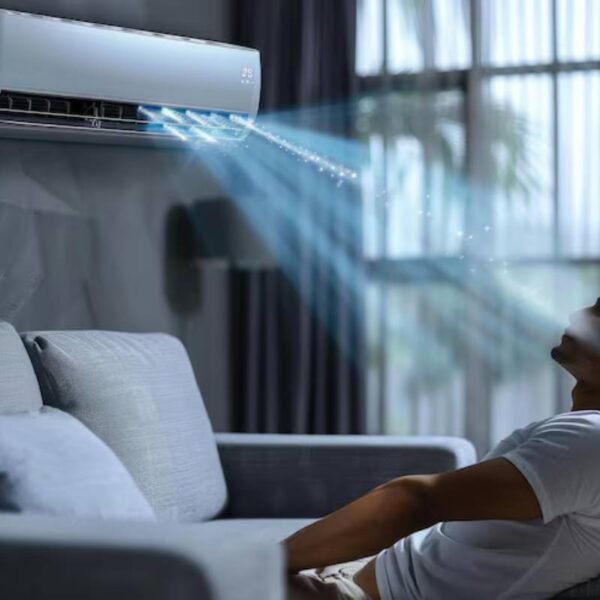
Keeping your air conditioner running efficiently all summer is essential for maintaining a comfortable home while managing energy use and avoiding unnecessary HVAC repairs. As outdoor temperatures climb, your cooling system may operate for extended periods, making regular air conditioner maintenance more important than ever. Simple steps such as replacing dirty air filters, keeping the outdoor condenser clear, improving indoor airflow, adjusting thermostat settings, and scheduling professional
AC maintenance can help support reliable cooling performance. Homeowners should also watch for warning signs such as unusual noises, weak airflow, inconsistent temperatures, frequent cycling, or unexpected water around the indoor unit. If an air conditioning issue involves drainage, condensation, or water-related problems, homeowners may also need assistance from professionals who provide Akron plumbing services. By taking a proactive approach to air conditioning care, you can improve system efficiency, support consistent indoor comfort, and help your AC handle the demands of hot summer weather.
Replace or Clean the Air Filter Regularly
One of the simplest ways to support air conditioner efficiency is to keep the air filter clean. As the filter collects dust, pollen, pet hair, and other particles, airflow can become restricted. A system with poor airflow may need to work harder and run longer to reach the temperature set on the thermostat.
How often a filter should be replaced or cleaned depends on the type of filter, household conditions, and manufacturer recommendations. Homes with pets, allergy concerns, or significant dust may require more frequent attention.
Check the filter regularly during periods of heavy air conditioner use. Replacing a disposable filter or cleaning a reusable one when necessary can help maintain proper airflow and reduce unnecessary strain on the system.
Keep the Outdoor Unit Clear
The outdoor condenser needs adequate airflow to release the heat removed from your home. Leaves, grass clippings, dirt, weeds, and other debris can accumulate around the unit and interfere with this process.
Inspect the area around the condenser periodically and remove visible debris. Keep plants and shrubs trimmed so there is sufficient open space around the equipment. Before cleaning the outdoor unit, turn the system off according to the manufacturer’s instructions and avoid damaging the fins.
A clear area around the condenser allows air to circulate more freely and helps the system perform its heat-transfer function more effectively.
Use Your Thermostat Strategically
Your thermostat settings can have a noticeable effect on how much your air conditioner runs. Setting the temperature extremely low does not make the system cool the house faster. Instead, it may cause the equipment to operate for longer periods.
Choose a comfortable temperature and avoid making dramatic adjustments throughout the day. If your schedule changes regularly, a programmable or smart thermostat can help manage temperatures automatically.
During periods when the house is unoccupied, allowing the indoor temperature to rise moderately can reduce unnecessary cooling. When you return, the system can gradually bring the temperature back to a comfortable level.
Improve Airflow Inside Your Home
Even a well-maintained air conditioner can struggle if cooled air cannot circulate effectively. Make sure supply vents and return registers are not blocked by furniture, curtains, rugs, or other household items.
Keep interior doors open when appropriate for your home’s HVAC design, particularly when closed doors restrict airflow between rooms. If certain rooms consistently feel warmer or cooler than others, the issue may involve ductwork, insulation, airflow balance, or another HVAC concern.
Do not attempt to make major duct modifications without professional guidance. Improper changes can create additional airflow problems rather than solving the original issue.
Reduce Heat Gain During the Day
Your air conditioner has to work harder when your home absorbs large amounts of heat. Simple changes can reduce the cooling load during the hottest parts of the day.
Close blinds, shades, or curtains when direct sunlight enters rooms. Energy-efficient window treatments can be especially helpful on heavily exposed windows. You can also limit the use of heat-producing appliances during the hottest hours when practical.
Cooking on a stove or oven, for example, can add considerable heat to an indoor space. Using a microwave, outdoor grill, or other alternative when convenient may help keep the kitchen and surrounding areas cooler.
Schedule Professional Maintenance
Routine professional maintenance can help identify potential issues before they become more serious. Depending on the system, a technician may inspect components, check refrigerant levels, examine electrical connections, clean relevant parts, and evaluate overall operation.
Annual maintenance is often recommended, although the appropriate schedule can vary based on the equipment and its condition. Ideally, maintenance should be arranged before the cooling season becomes especially demanding.
Professional inspections are particularly valuable for older systems or units showing signs of declining performance, unusual noises, inconsistent cooling, or frequent cycling.
Pay Attention to Warning Signs
Changes in how your air conditioner operates should not be ignored. A system that suddenly struggles to maintain the desired temperature, produces unusual sounds, develops unpleasant odors, or repeatedly turns on and off may need attention.
Water around an indoor unit can also indicate a drainage or condensation-related problem. While a small amount of condensation can be normal in HVAC operation, unexpected leaks should be investigated rather than overlooked.
Addressing minor issues early may prevent them from developing into more expensive or disruptive repairs.
Check Your Home’s Insulation
The efficiency of an air conditioner is closely connected to how well your home holds conditioned air. Poor insulation or air leaks can allow cooled air to escape and outdoor heat to enter.
Pay attention to areas such as attics, windows, doors, and other potential sources of air leakage. Weatherstripping and appropriate insulation improvements can reduce unwanted heat transfer and help maintain more consistent indoor temperatures.
If you are unsure where energy is being lost, a professional home energy assessment can help identify areas that may benefit from improvement.
Avoid Unnecessary Strain on the System
Small habits can make a difference when your air conditioner is running frequently. Keep doors and windows closed while the system is operating, unless ventilation is intentionally part of your home’s design. Avoid setting the thermostat lower than necessary, and do not ignore maintenance reminders.
It is equally important to make sure the system is appropriately sized for the home. An oversized unit may cycle on and off too frequently, while an undersized system can struggle to meet cooling demand. If you are replacing an aging air conditioner, proper sizing should be part of the installation process.
Conclusion
Efficient air conditioning does not necessarily require complicated changes. Clean filters, unobstructed outdoor equipment, sensible thermostat settings, good airflow, reduced heat gain, and regular professional maintenance can all contribute to better performance.
Most importantly, pay attention to changes in your system. Acting when something seems unusual can help protect your comfort and prevent a small maintenance concern from becoming a larger problem. With consistent care and smart everyday habits, your air conditioner can be better prepared to handle the demands of summer while using energy more responsibly.
Leave a Comment
You must be logged in to post a comment.